
In this article…
If you’re a cat owner, you already know that cats are creatures of habit. They’re deeply attached to their territory, their routines, and their favourite quiet spots.
Unlike dogs, who often enjoy the social buzz of new places and people, most cats find a change of environment unsettling at first. That’s why the idea of boarding can feel especially worrying for cat parents.
What makes this even trickier is that cats are experts at hiding feelings. We often call it their “poker face.”
That’s where experienced boarding care really matters. There’s more to cat boarding than food, water, and a clean litter tray. Our experts must understand each cat’s normal behaviour, watch for small changes, and support their mental wellbeing as they adjust.
We’ll walk you through what we look out for during cat boarding, and how we help cats feel safe, settled, and cared for while they’re away from home.
The First 24 Hours: The “Invisibility” Phase
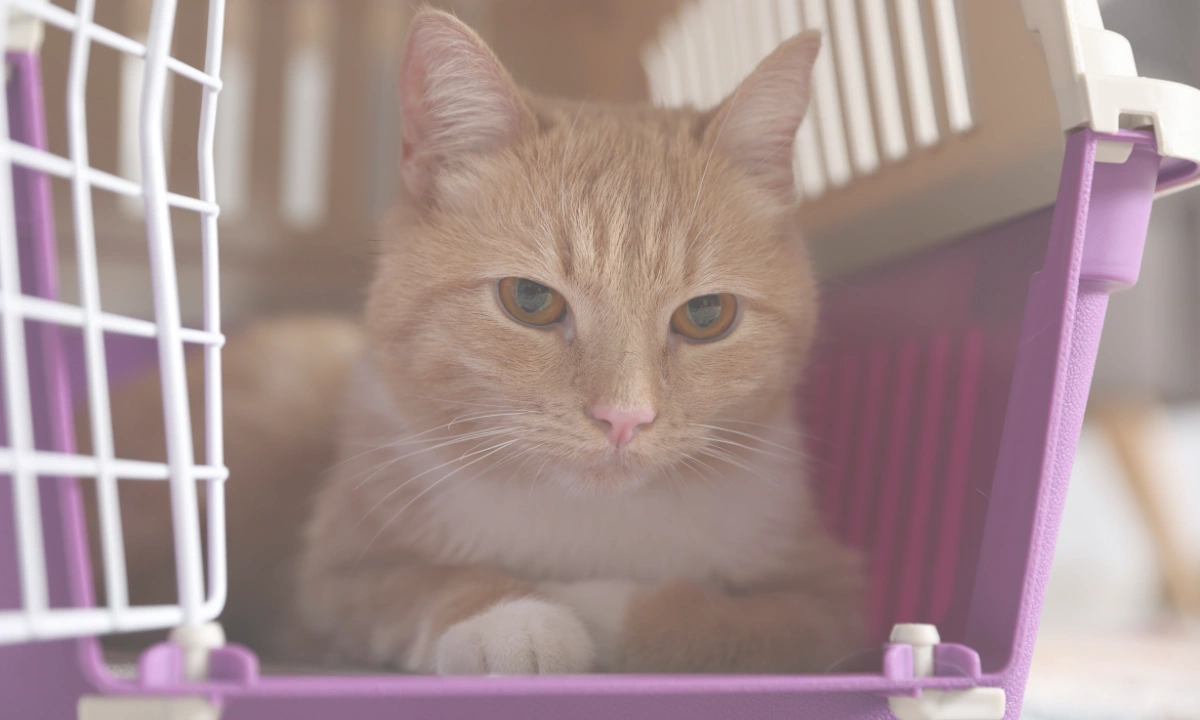
We call the first day of boarding the invisibility phase. This is when many cats choose to disappear into their cubby, carrier, or under a blanket.
Don’t worry, as this behaviour is completely normal. In fact, it’s expected. For most cats, hiding is how they process a new environment and regain a sense of control.
Normalising the Hide
If your cat spends their first 24 hours tucked away and avoiding interaction, that doesn’t mean they’re unhappy or failing to cope. It means they’re doing exactly what cats are wired to do. They’re observing, listening, and slowly mapping out their surroundings from a place that feels safe.
What We Look For
While we respect a cat’s need to hide, we’re always watching closely. We look for curiosity within the hiding.
- Are they peeking out when the room is quiet?
- Do their eyes follow movement?
- Are they pressed flat to the floor, completely still, and unresponsive?
These small details tell us a lot about how a cat is coping, even when they’re not coming out to say hello.
The “Meatloaf” vs. The “Ball”
One subtle but important thing we watch for is posture. A relaxed cat often sits in a neat tuck, sometimes called the “meatloaf” position.
- Their paws are tucked under.
- Their body looks soft.
- Their muscles appear loose.
This usually signals contentment or at least calm tolerance.
A tense cat, on the other hand, may curl tightly into a hunched ball.
- Their body looks rigid.
- Their head is pulled in.
- Their muscles are braced.
This posture can indicate guarding, discomfort, or high stress. It’s a key distinction we’re trained to notice.
Our Staff Protocol
During this phase, we give cats space and don’t force interaction. We won’t pull them out of hiding, hover over them, or demand attention. Instead, we let them assess the territory on their own terms, checking in consistently.
This gentle approach allows cats to build confidence at their own pace. For most, that first step out of hiding comes sooner than owners expect.
The “Traffic Light” System: Decoding Body Language
Cats rarely communicate stress in obvious ways. Instead, they give us a series of subtle physical cues.
To help make sense of those signals, we think in terms of a simple traffic light system. It helps us assess how settled a cat is and whether they need more space, more support, or immediate intervention.
Green Flags (Settled)
Green flags tell us a cat is feeling safe, relaxed, or at least comfortable in their environment. Signs we look for are:
- Slow blink
- Kneading
- Vulnerable positioning
One of the strongest signals is the slow blink. When a cat slowly closes and opens their eyes while looking at us, it’s a sign of trust. It’s the feline equivalent of a smile, and it’s something you can try at home too.
We also look for kneading. When a cat presses their paws rhythmically into bedding, it usually means they’re feeling calm and content.
Another positive sign is sleeping in vulnerable positions. Cats who lie on their side or expose their belly are showing that they don’t feel the need to stay on high alert. That level of relaxation tells us they’re settling well.
Amber Flags (Uncertain or Alert)
Amber flags suggest a cat is coping, but still on edge. These cats aren’t in crisis, but they’re telling us they need patience and space. Signs we look for are:
- Aeroplane ears
- Tail twitching or thumping
- Staying on the highest shelf
Aeroplane ears, where the ears angle slightly sideways rather than forward, often indicate uncertainty. The cat is listening closely and staying alert.
Tail twitching or thumping is another sign we watch for. A slowly flicking tail usually means irritation or overstimulation, not friendliness.
We may also see cats who stay on the highest shelf and refuse to come down. Height offers security, so this behaviour often means they’re observing and assessing rather than ready to engage.
Red Flags (High Stress)
Red flags are signs that a cat is highly stressed and may need immediate support or a medical check. Signs we look for are:
- Dilated pupils
- Open-mouth panting
- Growling or hissing at staff
Dilated pupils, sometimes called saucer eyes, in normal lighting can indicate fear or distress.
Open-mouth panting in cats is never normal and is always treated as an urgent medical concern. If we see this, we act immediately.
Growling or hissing at staff is another clear sign that a cat feels threatened or overwhelmed. In these cases, we prioritise safety, reduce stimulation, and reassess our care approach.
Reading these signals early helps us adjust interactions with each cat and support them through the boarding experience in a calm, respectful way.
The Vital Metrics: Appetite and Litter Box
When it comes to boarding cats, two things tell us more than almost anything else. Eating and toileting. Changes here often show up before behavioural stress becomes obvious, so we monitor both very closely.
The “Stress Starve”
Stress can cause some cats to stop eating altogether, and that’s something we take seriously. If a cat doesn’t eat for too long, their body can start breaking down fat too quickly, which puts dangerous strain on the liver. This condition is sometimes called fatty liver disease, and it can become life-threatening if it’s not addressed early.
That’s why we track appetite from the very first meal. A reduced appetite on the first day can be normal, but complete refusal isn’t something we ignore.
To encourage eating, we use a few gentle tricks. We might warm the food slightly to boost the smell, offer strongly scented options like tuna or sardines, or sit nearby and hand-feed small amounts if the cat allows it. Often, that little bit of encouragement is enough to get things moving again.
Litter Box Logic
The litter tray gives us another important window into how a cat is coping. Stress can trigger urinary issues, particularly in male cats. One thing we’re always alert for is straining to urinate, which can be a sign of stress-related bladder inflammation. This can escalate quickly and needs immediate attention.
We also track output carefully. Not doing a poo for the first 24 hours can be quite normal during adjustment. Not urinating at all is not. If we don’t see pee where we expect it, that’s treated as an emergency and acted on straight away.
Cat Personality Types We See in Boarding
Just like people, cats have very different personalities. One of the first things we do during a boarding stay is work out which type of cat we’re caring for. These labels help us tailor our approach so each cat gets the right kind of support.
The “Supervisor”
The Supervisor prefers to observe rather than participate. This cat usually claims the highest ledge or shelf and watches everything that happens below. They’re alert, curious, and engaged, but they don’t want to be touched. Reaching in too quickly can break trust, so we respect their space and let them stay in control.
The “Door Greeter”
The Door Greeter is confident and social. When staff walk past, this cat comes straight to the front, rubbing against the mesh or glass and asking for attention. These cats often enjoy gentle interaction, chatting, and short play sessions. They settle quickly because the environment doesn’t feel threatening to them.
The “Undercover Agent”
The Undercover Agent prefers to stay unseen. During the day, they might appear invisible, but we know they’re active when no one’s watching. We check food bowls, litter trays, and bedding in the morning to confirm they’ve been eating, moving, and exploring overnight. These cats aren’t failing to cope. They’re just doing things on their own schedule.
Why These Labels Matter
Identifying a cat’s personality type helps us decide how to interact with them.
- A Supervisor might benefit from quiet company and soft talking.
- A Door Greeter may enjoy playtime or gentle pats.
- An Undercover Agent usually does best with minimal interaction and plenty of privacy.
Matching our care style to the cat means we reduce stress and help them settle better.
How We Help Them Cope (The Intervention)
Once we understand a cat’s stress level and personality, we put supports in place to help them cope and settle. These interventions are gentle and predictable, designed to make the environment feel as safe and familiar as possible.
The Power of Routine
Cats thrive on predictability. Knowing what’s coming next helps them feel in control. That’s why we stick to consistent routines for feeding, cleaning, and quiet check-ins. Meals arrive at the same times each day, litter trays are cleaned on a regular schedule, and interactions follow a familiar rhythm. This consistency creates a sense of security, even in an unfamiliar setting.
Enrichment That Matches the Cat
Enrichment isn’t one-size-fits-all for cats. We tailor it to what each cat finds comforting.
Many cats feel safer when their carrier is kept inside the enclosure. It’s a familiar, enclosed space that smells like home and gives them somewhere to retreat if they feel unsure.
Some cats enjoy visual enrichment, such as watching birds or outdoor activity through a window. Others find that overstimulating. For shyer cats, we’ll prioritise privacy, giving them space while keeping a watchful eye on them.
Conclusion
One of the most rewarding moments for us is when a shy, watchful cat finally decides we’re safe. It might be a cautious step forward, a slow blink from across the room, or that first gentle head boop against a hand that’s been patiently offering space. Those moments tell us a cat has relaxed enough to trust, and they never get old.
Most cats settle far better than their owners expect. While the first day or two can be quiet and reserved, the majority adapt within two to three days once the environment feels predictable and safe.
If you’re worried about how your cat will react to boarding, you’re not alone. We’re always happy to talk things through. Schedule a tour and chat with our cattery team about your cat’s specific personality so we can make their stay as calm and comfortable as possible.
Contact our friendly team today to learn more about our services and how we’ll take great care of your cat.
Cat Behaviour During Boarding FAQ
Is it normal for my cat to hide during the first day of boarding?
Yes. Hiding in the first 24 hours is completely normal. Most cats retreat to a cubby, carrier, or blanket while they assess their new surroundings and regain a sense of control.
How do you tell if a hiding cat is coping or highly stressed?
We look for small signs like curiosity, eye movement, posture, and muscle tension. A relaxed tucked posture is a good sign, while a rigid, tightly curled body can indicate higher stress.
How long does it usually take cats to settle into boarding?
Most cats begin to settle within two to three days. While the first day can be quiet and reserved, familiarity and routine help them relax sooner than many owners expect.
What body language shows a cat is feeling comfortable?
Positive signs include slow blinking, kneading, relaxed posture, and sleeping in vulnerable positions like on their side. These behaviours signal trust and a sense of safety.
What do you monitor most closely during a boarding stay?
Appetite and litter tray habits. Changes in eating or urination often appear before other stress signs, so we track both closely and act quickly if anything looks concerning.



Share this article