
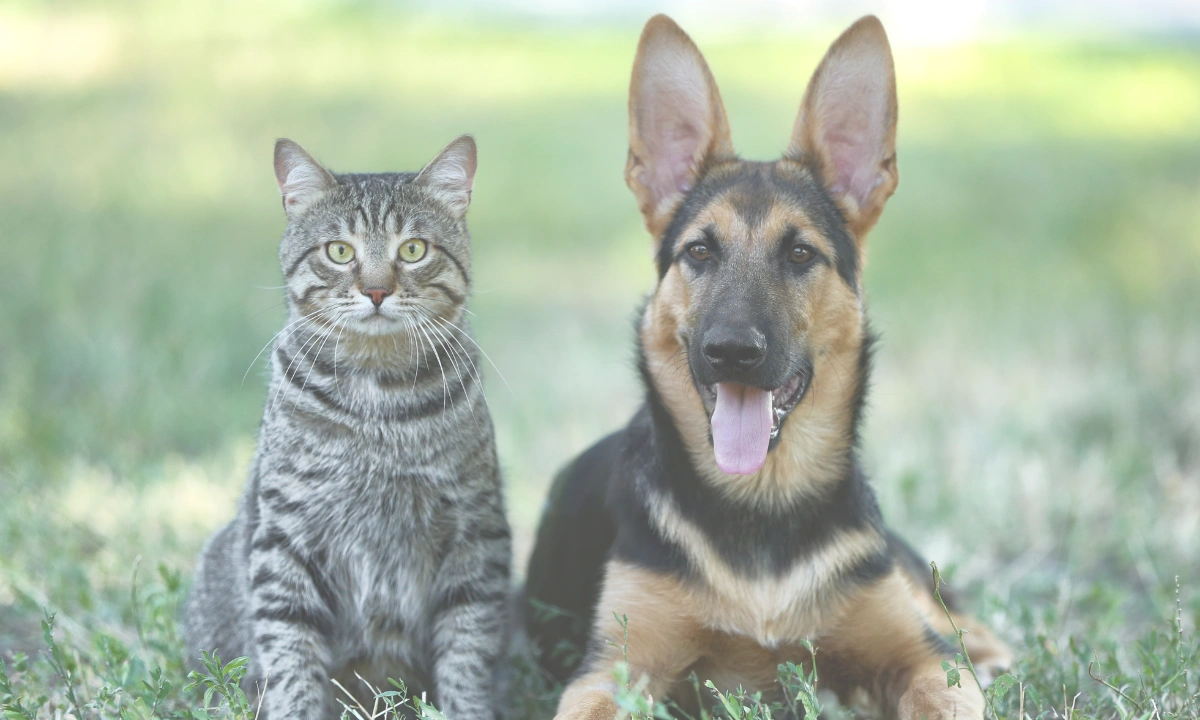
Australian summers are no joke. With soaring temperatures and UV levels, it is the kind of weather that sends most of us running for the pool or the air con.
But while we can cool ourselves down easily, our pets cannot. They feel the intensity of summer far more than us.
Dogs and cats do not sweat the way we do. Dogs rely mostly on panting, and cats depend on grooming to release heat.
This means they struggle to regulate their body temperature once the mercury starts climbing. Without the right precautions, the Australian summer can become dangerous for them very quickly.
The good news is that with a little preparation and awareness, you can keep your pets safe, comfortable, and cool throughout even the toughest heatwaves. This guide will walk you through simple, practical steps to help your furry friends stay healthy and happy in the heat.
In this article…
The Basics of Temp Control
Pets experience heat very differently from humans. Understanding how their bodies regulate temperature helps you recognise when they may be struggling and what they need to stay safe during the hottest months.
How Dogs and Cats Cool Themselves
Dogs rely on panting to release heat from their bodies. They only sweat through their paw pads, which means they cannot cool down quickly when temperatures soar.
Cats use a different strategy. They groom themselves, spreading saliva over their coat so it can evaporate and help lower their body temperature.
Because their cooling systems are limited, both dogs and cats can overheat much faster than people, especially during the harsh Australian summer.
Pets at Higher Risk
Some pets are more vulnerable to heat stress than others. Flat-faced breeds such as Pugs, French Bulldogs, and Persian cats have restricted airways, which makes panting less effective.
Elderly pets and overweight animals also struggle to regulate their temperature and can become overheated even with light activity or mild heat.
Being aware of these risks helps you take extra precautions for the pets that need it most.
Hydration Hacks
Keeping your pet well-hydrated is one of the most important ways to protect them during the Australian summer. When temperatures climb, pets lose moisture quickly through panting and heat exposure, so your goal is to make drinking easy, appealing, and always accessible.
Water Stations
Set up multiple water bowls around the home and garden. Pets can knock over bowls while playing or moving around, and having backups ensures they’re never left without access to fresh water. Keep bowls in shaded spots outdoors so the water stays cooler for longer.
Keep It Cool
Add a handful of ice cubes to your pet’s water bowl throughout the day. This helps keep the water cool and refreshing. Many dogs enjoy crunching on the cubes, which adds an extra cooling boost.
Creative Hydration Options
Pet-safe ice blocks:
Freeze low-sodium broth or water with a few pet-safe treats inside. These “pupsicles” melt slowly and encourage licking, which helps cool your pet from the inside out.
Running fountains:
Cats, in particular, are drawn to moving water. A pet water fountain can encourage more frequent drinking and help keep them hydrated through long, hot afternoons.
Smart Walking and Exercise
Timing is Everything
In the Australian summer, timing your walks is one of the simplest ways to protect your pet from heat. Aim for early morning or late evening when the temperature is naturally lower, and the UV index is not as intense. Avoid the midday sun between 10 AM and 4 PM, as the heat during this period can rise quickly and create dangerous conditions for both you and your pet.
The 5 Second Test
Before you take your dog onto footpaths or asphalt, use the five-second test. Place the back of your hand on the pavement for five seconds. If it feels too hot to keep your hand there, it is too hot for your dog’s paws. Hot surfaces can cause painful burns within seconds, so checking the ground temperature helps keep every walk safe.
Alternative Exercise
When the weather is simply too hot for outdoor activity, find cooler alternatives to help your pet burn energy. Indoor brain games such as puzzle feeders, snuffle mats, or hide and seek can provide mental stimulation without the heat risk. For dogs who love the water, swimming is a wonderful low-impact option that helps them stay active while keeping cool.
Creating a Cool Sanctuary (Home and Garden)
A cool, comfortable environment is one of the most effective ways to keep pets safe during the Australian summer. By setting up dedicated cool zones both inside and outside, you give your pets a place to escape the heat whenever they need it.
Indoors
- Air conditioning or fans: Air conditioning is the gold standard for pet comfort on scorching days. If you don’t have it, keep ceiling or pedestal fans running to promote airflow. Even gentle air movement helps your pet release heat more efficiently.
- Cooling mats or wet towels on tile floors: Cooling mats are designed to pull heat away from your pet’s body. If you don’t have one, lay down a damp towel on tiled flooring. Many dogs and cats instinctively seek out cool surfaces when they’re overheating.
- Closing blinds during the hottest part of the day: Blocking direct sun can dramatically lower indoor temperatures. Keep curtains and blinds closed from late morning through late afternoon to prevent your home from becoming an oven.
Outdoors
- Shade is non-negotiable: In an Australian summer, shade must be guaranteed and accessible at all times. Make sure the shaded area moves with the sun. A kennel sitting in direct sunlight can reach dangerous temperatures and should not be relied on as a cooling space.
- The clam shell pool: This classic Aussie backyard staple is a fantastic way for dogs to cool off. Fill part of a plastic clamshell pool with fresh water and let your dog wade or sit in it. Many dogs naturally seek out water to regulate body temperature.
- Misting systems: Simple garden misters can lower the surrounding air temperature and provide relief on extreme days. Install them in shaded areas to create a cool retreat your pet can access throughout the day.
Grooming and Sun Safety
Keeping your pet cool in summer isn’t just about shade and water. Good grooming habits and smart sun protection play a huge role in keeping them comfortable and safe throughout the hottest months.
To Shave or Not to Shave?
It’s a common myth that shaving double-coated dogs helps them stay cool. In reality, their coat works as natural insulation, protecting them from heat and sun exposure. Shaving can disrupt this insulation, increase the risk of sunburn, and even cause long-term coat damage.
Instead of shaving, focus on:
- Regular de-shedding to remove excess undercoat.
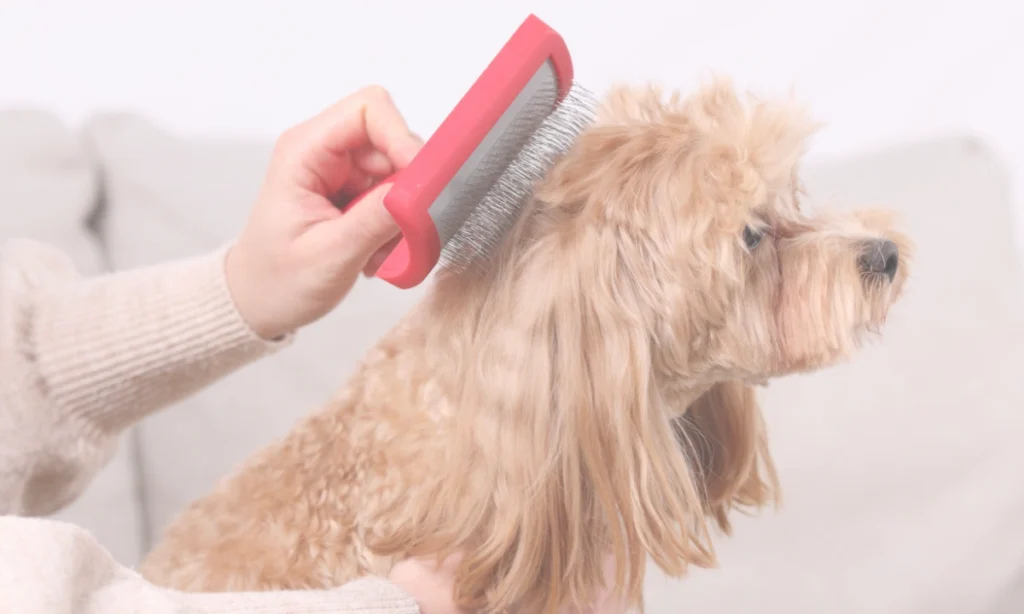
- Routine brushing to improve airflow through the coat.
- A tidy trim around hygiene areas, if needed.
These simple grooming habits help your dog regulate heat more effectively without compromising their natural protection.
Sunscreen
Just like people, pets can suffer painful sunburn, especially in an Australian summer where UV levels rise rapidly. Areas with thin fur or pale skin are particularly vulnerable.
Use a pet-safe sunscreen (never human sunscreen) on:
- Pink noses
- Ear tips
- Bellies
- Any sparsely furred patches
This is especially important for white or light-coloured cats and dogs who are at higher risk of sun damage. A quick application before outdoor time goes a long way in keeping them protected.
The “Never” List (Strict Safety Warnings)
Some summer risks are non-negotiable. These situations become dangerous almost instantly, and even the most prepared pet owner should treat them as absolute “no exceptions” rules.
Hot Cars
No amount of time is safe for a pet in a parked car in Australia. Even on a mild day, temperatures inside a vehicle can climb to life-threatening levels within minutes. Cracking the windows does nothing to reduce the heat. The safest choice is simple: if you cannot take your pet inside with you, they must stay at home.
Ute Trays
Metal ute trays heat up quickly under the Australian sun and can burn paw pads in seconds. Dogs travelling on the back of utes also face the risk of tether entanglements, dehydration, and direct sun exposure if the tether does not allow access to shade or water. If your dog must ride on a tray, use a rubber mat to reduce heat, ensure secure but comfortable tethering, and always provide access to shade and fresh water. When possible, letting them ride safely inside the cabin is the best option.
Australian Specific Summer Hazards
Australia’s summer brings more than heat. It also introduces seasonal risks that every pet owner should be aware of. Staying informed helps you keep your pets safe during outdoor adventures or time in the yard.
Snake Season
Warm weather means snakes are far more active, especially in bushy suburbs and outer metro areas. Curious pets may unknowingly approach a snake, which can lead to dangerous encounters.
- Keep grass trimmed short.
- Avoid letting dogs roam through long grass or bush tracks during peak heat.
- Stay alert around rock piles, sheds, and water sources where snakes may shelter.
If you suspect a snake bite, treat it as an emergency and go straight to your vet.
Paralysis Ticks
Humidity, rain, and heat bring paralysis ticks to life. These ticks can cause weakness, wobbliness, vomiting, and even life-threatening paralysis if not caught early.
- Check your pet daily, especially around the face, neck, armpits, groin, and between toes.
- Use vet-recommended tick preventatives consistently.
- Be extra cautious if you live near bushland or coastal areas where ticks thrive.
Seek immediate veterinary care if your pet shows sudden weakness or changes in breathing.
Blue-Green Algae
During hot spells, stagnant dams, ponds, and slow-moving creeks can develop toxic blue-green algae. Ingesting contaminated water can cause severe illness or organ failure.
- Do not let dogs swim or drink from still or unknown bodies of water.
- Choose flowing rivers, clean beaches, or supervised dog-friendly pools instead.
- Bring your own fresh water whenever you head out for walks or adventures.
Blue-green algae exposure is a veterinary emergency, so act fast if your dog seems unwell after swimming or drinking outdoors.
Recognising Heatstroke
Heatstroke is one of the most serious summer dangers for pets in Australia. It can come on quickly, especially during heatwaves or after even short periods of exertion in high temperatures. Knowing the signs and acting fast can save your pet’s life.
The Signs
Watch closely for any of the following, especially on hot or humid days:
- Heavy, rapid panting
- Excessive drooling
- Bright red or purple gums
- Vomiting or diarrhoea
- Wobbliness, disorientation, or collapsing
These symptoms mean your pet is overheating and needs immediate help.
Immediate Action
If you suspect heatstroke, move quickly and stay calm. Every minute matters.
- Move to shade or air conditioning immediately. Get your pet away from the heat source as fast as possible.
- Apply tepid water to the body. Use cool, not ice-cold, water on their belly, paws, and underarms. Ice water can constrict blood vessels and slow cooling.
- Head to the vet right away. Even if your pet seems to recover, internal damage can continue. Heatstroke can cause organ failure hours later, so urgent veterinary care is essential.
Heatstroke is always an emergency. Quick action gives your pet the best chance of a full recovery.
Conclusion
Keeping pets cool in the Australian summer comes down to preparation and awareness.
- Understand how pets regulate heat.
- Plan your routines around the weather.
- Create a cool environment at home.
This gives your dog or cat the best chance of staying safe, healthy, and comfortable through even the hottest days.
Before the next heatwave arrives, try preparing a batch of pupsicles tonight or take a moment to check that your outdoor shade setup is truly sun-safe. Small steps like these make a big difference when temperatures climb.
Share this article