
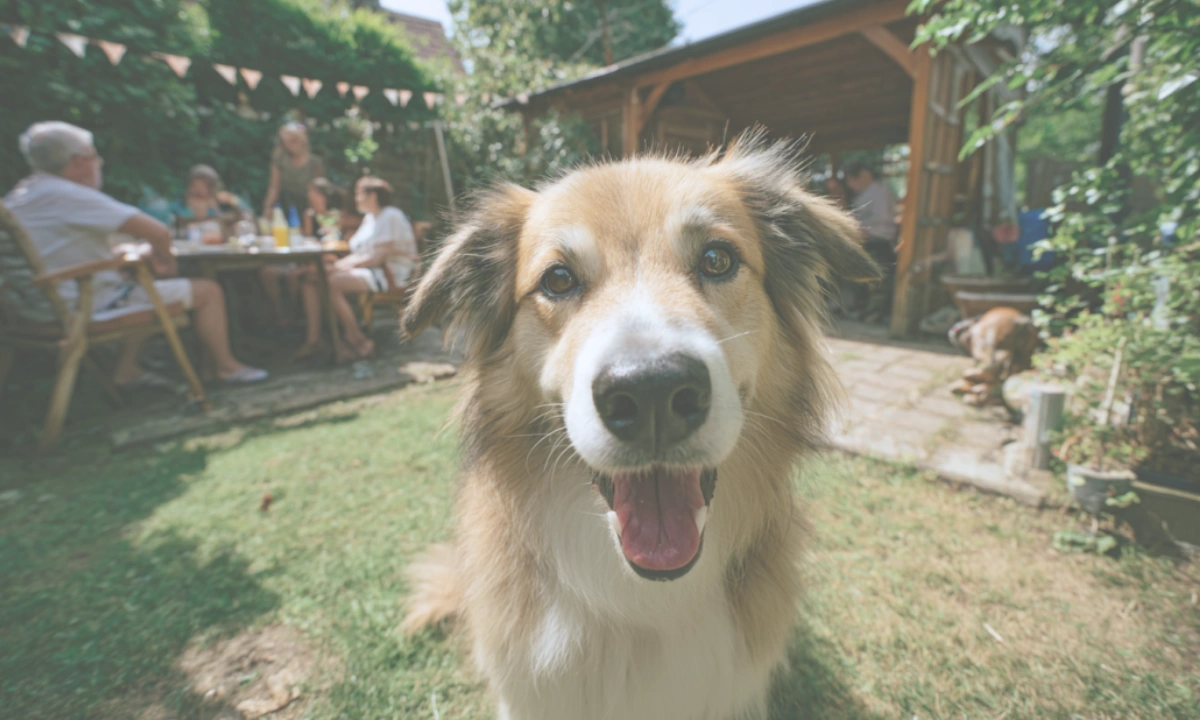
Amid all the excitement of the holidays, there is a side we do not often talk about. Veterinary clinics see one of their busiest periods of the entire year around the holidays. From heatstroke to food toxicity to pets escaping during parties, the holiday season brings a spike in preventable emergencies.
This guide will help you navigate the big three holiday hazards. Toxic festive foods, scorching summer heat, and the unpredictable chaos of parties and visitors. With a little preparation and awareness, you can keep your pets safe, comfortable, and included in the celebrations.
In this article…
The “Naughty List”: Festive Foods to Avoid
The holidays bring out the best of Australian entertaining (full plates, rich flavours, and treats everywhere you look). Unfortunately, many of the foods we enjoy around Christmas are dangerous, even life-threatening, for pets. A little awareness now can prevent an emergency vet visit later.
The Top Offenders (Toxic)
Fruit Mince Pies and Christmas Pudding
These festive favourites often contain raisins, currants, and sultanas. Even a small amount can cause kidney failure in dogs and cats. Keep them well out of reach, including the gift boxes they come in.
Chocolate
Dark chocolate is the most dangerous, but all chocolate contains theobromine, which is toxic to pets. Wrapped chocolate gifts under the tree are especially tempting and easy for pets to sniff out.
Macadamia Nuts
Common in Christmas snacks and desserts. Ingesting even a small amount can cause weakness, tremors, fever, and distress in dogs.
Onions and Garlic
Often hidden in stuffing, gravy, marinades, and leftover plates. They can cause damage to red blood cells and lead to anaemia.
The “Silent” Killers
Cooked Bones
Turkey, ham, or lamb bones may feel like a treat, but they splinter easily. These splinters can puncture the gut, cause choking, or lead to dangerous blockages. Never give cooked bones to pets.
Fatty Trimmings
Ham fat, turkey skin, and greasy leftovers might seem harmless, but these rich scraps can trigger pancreatitis — an extremely painful and potentially life-threatening condition.
Alcohol
Unattended beers or wine glasses on the ground pose a serious risk. Pets can develop vomiting, wobbliness, dangerously low blood pressure, and neurological symptoms.
The “Nice List” (Safe Alternatives)
If you want your pet to feel included in holiday feasting, choose pet-safe options.
- Small pieces of plain, cooked turkey meat with no skin, seasoning, or bones
- Raw carrots or green beans as a crunchy, healthy treat
- Dog-friendly Christmas treats, so they enjoy something special without the risks
These simple swaps keep your pet part of the celebration while keeping them safe through the festive season.
Heat Safety
The Australian summer is no joke, and the festive season often makes it even easier to overlook the basics. With guests arriving, food cooking, and everyone distracted by the celebrations, pets can quickly overheat without anyone noticing. A little proactive planning goes a long way.
The Distraction Factor
When you’re hosting Christmas lunch or darting between social events, it’s surprisingly easy to forget your pet’s water bowl. Guests may move it. Pets may knock it over. Or it simply evaporates in the heat.
Set a quick phone reminder to check and refill water bowls every couple of hours. Keep multiple bowls inside and outside so your pet always has access to fresh water, even when things get busy.
Travel Heat
Heading to visit friends or family? The car can heat up faster than you expect.
Use these travel-safe habits during summer road trips:
- Air conditioning is essential. If the car is warm for you, it’s dangerous for your pet.
- Window shades can reduce direct sun exposure on your pet while travelling.
- Frequent water breaks help prevent dehydration, especially on longer trips.
- Never leave your pet in the car, even for a minute. Temperatures can climb to life-threatening levels almost instantly.
The BBQ Hazard
A classic Aussie Christmas often includes a BBQ, but it comes with hidden risks for pets.
- The grease trap is irresistible to dogs. That rich smell from the drip tray is exactly why so many pets end up at the vet on Christmas Day with pancreatitis or burns. Keep pets well away from the BBQ area, especially when the plate is cooling.
- Hot surfaces such as metal plates, lids, or fallen scraps can cause burns or lead to dangerous scavenging. Setting clear boundaries or using a playpen or baby gate can help keep curious pets safe.
Staying mindful of the heat and high-risk holiday distractions ensures your furry family members stay safe, hydrated, and comfortable through Christmas and beyond.
Decorations and Tree Safety
The festive setup is part of what makes an Aussie Christmas feel magical. The tree, the lights, the presents. But for curious pets, these decorations can create hidden risks. A few simple precautions can help you keep the season safe without losing the sparkle.
The Tree
A Christmas tree is irresistible to many pets, especially playful cats and curious dogs.
- Secure the base: Make sure the tree is anchored firmly so it can’t topple if a cat decides to climb or a dog bumps into it during playtime.
- Pine needles: Real pine needles may be festive, but they’re mildly toxic and can cause stomach issues or even puncture intestines if swallowed.
- Tree water dangers: Many people add fertilisers or aspirin to help trees last longer. This water is highly unsafe for pets, particularly cats who love sneaking sips from unusual places. Keep the base covered.
Ornaments and Gifts
From shiny baubles to curling ribbon, the excitement under the tree can be risky.
- Tinsel and ribbon: These are the number one cause of linear foreign body surgeries in cats. If swallowed, they can bunch up in the intestines and require immediate emergency care.
- Batteries: New toys and household gadgets mean loose button batteries around the home. If ingested, they can cause severe burns to the throat and stomach within hours.
- Lights and cords: Some pets chew when they’re anxious or overstimulated. Chewing electrical cords can lead to electrical burns or electrocution, so keep cords taped down or out of reach.
Careful placement and a bit of awareness will help keep your pets safe while you enjoy the festive cheer.
Party Protocol: Managing Guests and Anxiety
The holiday season often means a steady flow of friends and family coming and going. While it is a fun and lively time for humans, it can be overwhelming for pets. A few simple precautions can help keep them safe, calm, and secure throughout the celebrations.
The Gate Rule
With guests arriving and leaving throughout the day, gates and doors are often left ajar. This is one of the most common causes of accidental escapes during the holidays. Double-check all latches before the festivities begin, and consider putting a friendly reminder sign near entry points. A quick check can prevent a stressful search later.
Feeding the Dog
Well-meaning guests, especially children, love giving treats to pets at Christmas. The problem is that many festive foods are unsafe or even toxic. A polite chat before lunch or a small sign near the table can help avoid accidental feeding. This protects your pet from dangerous foods and saves you from an unexpected emergency vet visit.
Safe Zone
Parties are noisy, unpredictable, and full of stimulation. Set up a quiet room for your pet before guests arrive. Include fresh water, a comfortable bed, familiar toys, and a bit of white noise such as a fan or soft music. This safe space gives your pet somewhere to retreat when celebrations become overwhelming.
Fireworks
If your Christmas celebrations flow into New Year’s Eve, prepare early for the fireworks. Ensure your pet is kept indoors well before the 9 pm or midnight displays begin. Close windows and curtains, put on soothing background noise, and give them access to their safe zone. A little planning can prevent panic and keep them secure during the loud bursts outside.
Emergency Preparedness
Even with the best planning, holiday accidents can happen. Being prepared before the festivities begin can save valuable time and help you act quickly if your pet needs urgent care.
Know Your Vet
Many regular veterinary clinics close or operate on limited hours during public holidays. This means Christmas Eve, Christmas Day, Boxing Day, and New Year’s Day can leave you without your usual support if something goes wrong. Knowing where to go before an emergency occurs can make all the difference.
The Action Plan
Locate the nearest 24-hour Emergency Animal Hospital. Search your suburb, check your council’s recommendations, or ask your regular vet which emergency centre they suggest. Keep this information accessible.
Save their number in your phone. Do this before guests arrive and the celebrations take over. Having the number ready means you can call immediately if your pet shows signs of poisoning, heatstroke, choking, or injury.
A little preparation ensures that no matter what the holidays throw your way, you can act quickly and keep your furry family member safe.
Conclusion
The holidays should be a time for joy, good food, and long summer days. With a little vigilance and some simple safety steps, your pets can enjoy the celebrations right alongside you.
From keeping tempting festive foods out of reach to staying on top of heat safety and managing the chaos of guests, these small habits go a long way in preventing emergencies.
Including your pets in the fun doesn’t have to be risky. Offer them a new toy to unwrap, a frozen “pupsicle,” or a comfy spot in the shade. They get to be part of the festivities, and you get peace of mind knowing they’re safe.

Share this article