
In this article…
If you’re planning a trip and already feeling that familiar knot of guilt about leaving your dog behind, you’re not alone.
The hardest part of travelling for many people isn’t packing or organising flights. It’s walking away from a dog who looks at you like you’re their entire world.
Even when you know pet boarding is the right choice, that emotional tug can be intense.
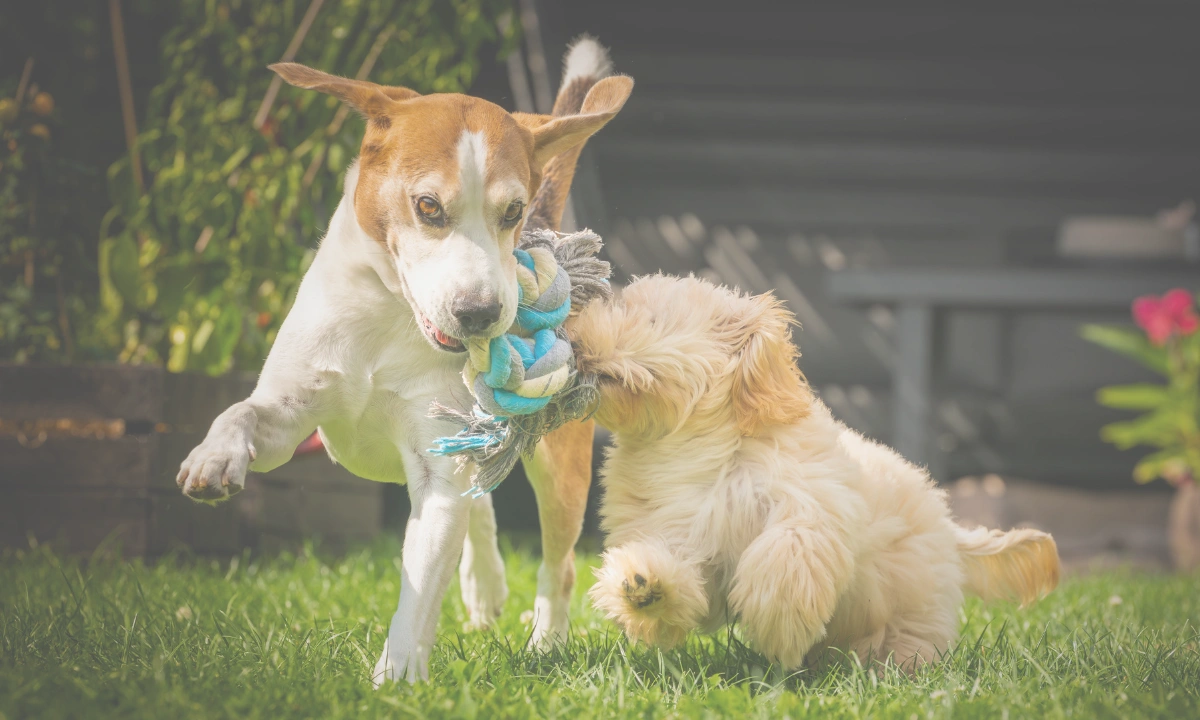
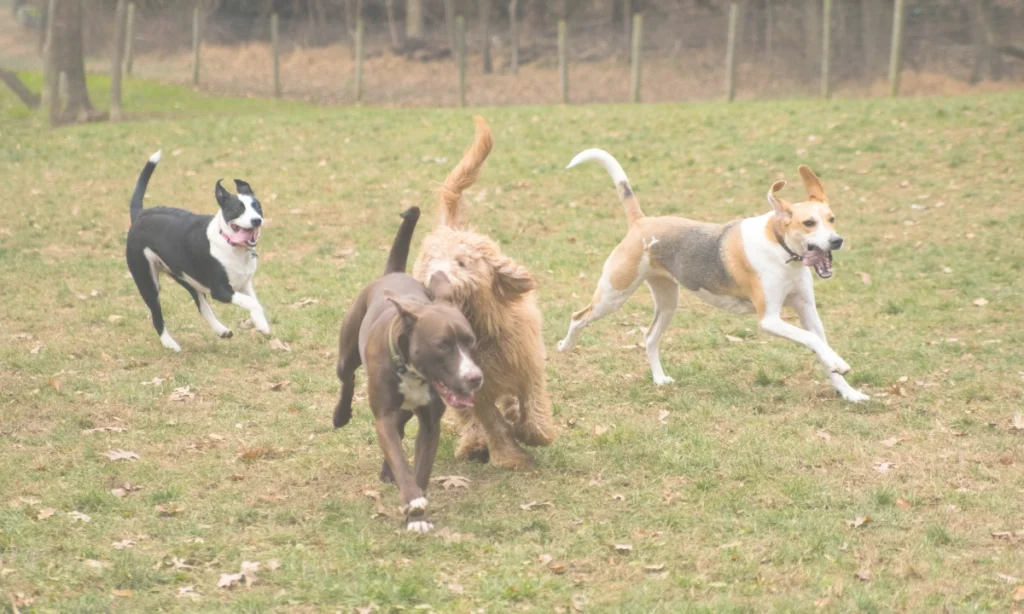
But the reality is that a good boarding facility can feel like summer camp for dogs. There are new smells, new routines, other dogs to interact with, and plenty of stimulation.
Generally, the tricky part isn’t the stay itself. It’s the transition from home to boarding, especially for dogs that are sensitive or prone to separation anxiety.
So, we’ll walk you through a step-by-step approach to easing separation anxiety when boarding your dog.
Phase 1: The Preparation (2-4 Weeks Before)
The weeks leading up to your trip are when you can make the biggest difference to how your dog copes with boarding. Rushing this stage often creates unnecessary stress, while a bit of planning helps the experience feel familiar and predictable.
Choose the Right Environment
Not all kennels are the same, and that matters a lot for dogs with separation anxiety. Some dogs thrive in high-energy, open-play environments where there’s constant activity and social interaction. Others do far better in quieter settings with private suites and structured one-on-one time.
There’s no “best” option. The right choice depends on your dog’s personality, age and comfort level.
Note: We group dogs by size, age and temperament when possible.
Before you commit, we always recommend touring the pet boarding facility without your dog. Walk through the spaces and get a feel for the environment.
The Power of the “Trial Run”
One of the most effective ways to ease separation anxiety is to remove the unknown. Booking a single overnight stay or a few days of doggie daycare before your main trip helps your dog learn an important lesson. When I come here, my human always comes back.
That experience alone can dramatically reduce stress during longer stays. Instead of their first exposure happening when you’re gone for a week, your dog already knows the routine, the smells and the people caring for them.
Socialisation Refresh
If your dog hasn’t spent much time around other dogs lately, it’s worth easing them back into social settings ahead of boarding. Short park visits, calm playdates with familiar dogs or structured group walks can help dust off their social skills without overwhelming them.
This gentle reintroduction makes the boarding environment feel far less overwhelming and helps your dog settle in faster when the time comes.
Phase 2: Packing for Comfort
What you pack for boarding isn’t just about practicality. The right items can provide emotional comfort and help your dog feel safe when they’re away from home.
The Scent Trick
This is one of the most overlooked but powerful tools for anxious dogs. Bring an unwashed t-shirt or pillowcase that smells like you. Your scent is familiar and grounding, and for many dogs it works like a security blanket. When they’re resting or feeling unsettled, that familiar smell can help lower stress and encourage calm behaviour.
Diet Consistency
Pack your dog’s usual food if they have a sensitive stomach or a special diet. Boarding is already a big change, and sudden diet changes often lead to upset stomachs, loose stools or refusal to eat, especially in sensitive dogs. Keeping their food consistent helps their body cope with the emotional change and keeps their routine feeling familiar.
Note: We provide Super Premium Royal Canin meals and treats.
Chews and Toys
Durable chew toys are more than entertainment. Chewing releases endorphins, which naturally soothe anxiety and help dogs self-regulate.
Long-lasting chews or tough toys can give your dog a positive outlet when they’re resting in their kennel run or winding down after play. Avoid bringing fragile toys or anything that could break apart easily.
If your dog has toys they love, feel free to bring them. If not, we have plenty of toys for them to play with.
Calming Aids
Some dogs benefit from gentle, over-the-counter calming supports. Options like pheromone collars or sprays can help calm your dog. These tools don’t change your dog’s personality but simply support relaxation during stressful moments.
We recommend speaking with your vet about your options.
Phase 3: The Drop-Off (The Critical Moment)
Drop-off day is often harder for owners than it is for dogs. This moment sets the emotional tone for the entire stay, so how you handle it really matters.
Exercise First
A tired dog is a calmer dog. Before heading to the boarding facility, give your dog a long walk or a good play session.
Burning off nervous energy helps lower adrenaline and makes it easier for them to relax once they arrive. Even dogs with separation anxiety tend to settle faster after exercise.
The “No Drama” Goodbye
This is the golden rule of boarding drop-off. Keep it short, sweet and boring.
Long goodbyes, tearful hugs, and repeated reassurances actually increase anxiety. Dogs are incredibly tuned into our emotions. If you’re upset or hesitant, they’ll assume something’s wrong.
Hand over the leash confidently, give a calm goodbye and walk away without looking back. It feels tough in the moment, but it’s one of the kindest things you can do for an anxious dog.
Time of Day Matters
Whenever possible, drop your dog off in the morning rather than the evening. A morning arrival gives them the whole day to explore, play, and settle in before bedtime. By the time night comes, they’re usually tired, relaxed, and far more comfortable in their new environment.
Phase 4: Managing Your Anxiety (The Owner)
Your dog takes emotional cues from you. Managing your own anxiety is a big part of helping them settle.
Trust the Pros
It’s helpful to remember that boarding staff encounter homesickness every single day. We’re trained to recognise the signs, step in early and support dogs through that adjustment period. What feels like a huge emotional moment for you is a familiar and manageable situation for experienced caregivers. Most dogs settle far more quickly than their owners expect.
Limit Check-Ins
Constantly checking in can actually make things harder on you. Calling five times a day tends to increase worry rather than reduce it, especially if you’re analysing every small detail.
Ask the facility about their update process. We provide photos to let you know your dog is doing well.
Phase 5: The Homecoming
Bringing your dog home is usually the moment you’ve been waiting for, but it can come with a few surprises. Understanding what’s normal after boarding helps you support your dog’s transition back home.
The “Boarding Hangover”
It’s very common for dogs to sleep a lot for a day or two after returning home. This isn’t sadness or depression. It’s simply exhaustion.
Boarding often involves far more stimulation than home life, including new environments, extra social interaction, play and noise. Once they’re back in familiar surroundings, their body finally switches into recovery mode.
Let them rest without worrying. Extra naps, quieter behaviour and less interest in activity are all part of the normal wind-down process.
Thirst and Hunger
Some dogs will drink more water or eat very quickly when they get home. Excitement and routine changes can trigger this behaviour.
To avoid issues like bloat or stomach upset, pace them. Offer smaller meals, encourage slow drinking and give them time to settle before returning to normal portions.
With a little patience, most dogs are back to their usual selves within a couple of days.
Conclusion
When it comes to easing separation anxiety during boarding, preparation and a calm demeanour make all the difference. Choosing the right environment, easing your dog in gradually, packing familiar comforts and handling drop-off with confidence all help set the tone for a positive experience.
It’s also worth remembering just how resilient dogs are. Most settle in faster than we expect and end up enjoying the change of pace, the extra attention and socialising. While you’re away, there’s no reason your dog can’t have a great time at pet boarding.
Contact our friendly team today to learn more about our services and how we’ll take great care of your pets.
Ease Dog Boarding Anxiety FAQ
Is it normal for dogs to feel anxious when boarding?
Yes. Many dogs feel some anxiety during the transition from home to boarding, especially if they’re sensitive or strongly attached to their owners. With the right preparation and environment, most dogs settle quickly.
How can I reduce my dog’s separation anxiety before boarding?
Preparation helps most. Trial stays, short daycare visits, refreshed socialisation, and choosing a facility that suits your dog’s personality can significantly reduce anxiety before longer boarding stays.
What should I pack to help my dog feel comfortable?
Bring familiar items like an unwashed shirt with your scent, your dog’s usual food, and durable chew toys. Familiar smells and routines help dogs feel safe and calm in a new environment.
Does my behaviour at drop-off really matter?
Absolutely. Dogs read your emotions closely. Calm, confident, low-key goodbyes help prevent anxiety. Long, emotional farewells can unintentionally make things harder for your dog.
Is it normal for dogs to be tired after coming home from boarding?
Yes. Extra sleeping, increased thirst, or big appetites are common for a day or two. Boarding is stimulating, and dogs often need time to recover once they’re back home.

Share this article