
In this article…
As autumn settles in, many pet owners start to notice subtle changes in their dogs or cats. Cooler mornings, fluctuating daytime temperatures, and seasonal shedding all signal a shift in how your pet’s body responds to the environment.
These seasonal changes don’t just affect comfort. They can influence coat condition, skin health, parasite activity, and even your pet’s energy levels. What seems like a minor adjustment in the weather can lead to dry skin, matting, or unaddressed health concerns if routines remain the same.
The good news is that a few simple grooming habits and regular at-home health checks can make a big difference. Taking a proactive approach during autumn prevents larger issues from developing as winter approaches and keeps your pet comfortable, healthy, and settled through the cooler months.
Why Autumn Is a Critical Transition Season for Pets
Autumn is more than a change in temperature. For many pets, it’s a period of adjustment where their bodies respond to shifting daylight hours, cooler air, and changing activity patterns.
Changes in Coat Growth and Shedding
As the weather cools, many dogs and cats begin transitioning their coats. Some shed their lighter summer coat, while others start developing thicker fur for insulation.
This seasonal shift can lead to increased loose hair around the home and a higher risk of matting if grooming routines don’t keep pace. Pets with medium to long coats are especially prone to tangles forming near the skin as new growth comes through.
Regular brushing during autumn helps remove excess hair, allowing the new coat to develop evenly.
Weather Fluctuations
Autumn often brings cool mornings followed by warmer afternoons. These daily temperature swings can affect pets more than many owners realise.
Dry air and changing humidity may lead to flaky or irritated skin. Older pets, or those with existing joint issues, can also become more sensitive to cooler conditions, showing subtle stiffness after rest.
Monitoring comfort levels during these fluctuating conditions helps identify small issues before they become ongoing problems.
Increased Indoor Time
As daylight hours shorten, many pets spend more time indoors and may experience a drop in overall activity.
Less movement can contribute to:
- Boredom
- Weight gain
- Changes in behaviour
Dogs accustomed to long outdoor sessions may need adjusted exercise routines. Indoor cats may benefit from additional enrichment to stay mentally stimulated.
Recognising these seasonal lifestyle changes early makes it easier to maintain your pet’s physical and behavioural wellbeing throughout autumn.
Autumn Grooming Essentials
A consistent grooming routine during autumn helps pets transition comfortably into the cooler months. Regular maintenance now reduces the risk of matting, skin irritation, and coat issues that often become more difficult to manage during winter.
Brushing to Manage Seasonal Shedding
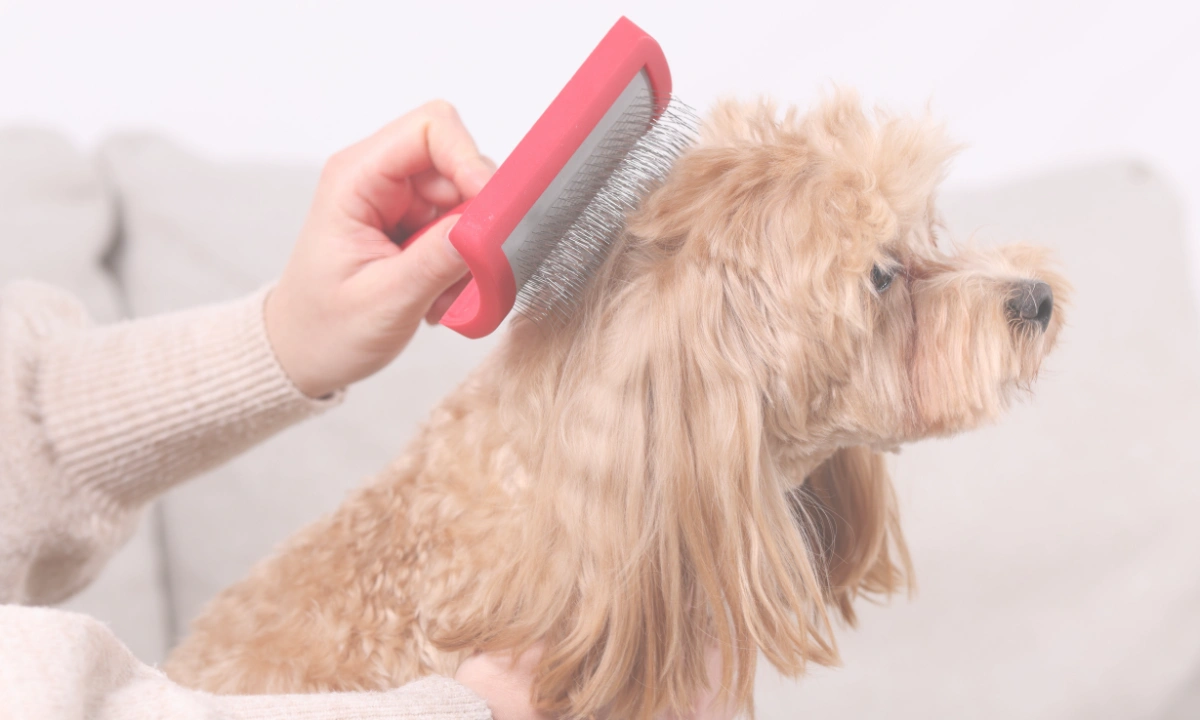
Autumn is one of the most important times of year to stay on top of brushing. As pets shed their lighter coat or begin growing a thicker one, loose hair can quickly build up.
Brushing frequency depends on coat type.
- Short coats: Brush once or twice a week to remove loose fur.
- Medium coats: We recommend brushing several times a week.
- Long or double coats: They often require daily brushing during heavier shedding.
Regular brushing not only keeps the coat tidy but also distributes natural oils. This supports healthy skin and a shinier coat.
Preventing Matting in Thicker Winter Coats
As new, denser fur begins to grow, small tangles can form close to the skin. If left unchecked, these can tighten into painful mats that trap moisture and irritate the skin underneath.
Addressing knots early with consistent brushing is far easier than trying to remove large mats later. Pay extra attention to friction areas such as:
- Behind the ears
- Under the legs
- Around the collar
This helps prevent discomfort and the need for more intensive grooming.
Bathing Considerations in Cooler Weather
Bathing can still be part of a healthy grooming routine, but autumn is not the time for frequent washes unless medically required.
Over-bathing may strip natural oils, leading to dry or flaky skin. When bathing is necessary, use lukewarm water and pet-safe products, and ensure your pet is completely dry before going outside or settling for the night. Damp fur combined with cooler temperatures can increase the risk of chills and skin irritation.
A balanced approach of brushing regularly and bathing only when needed helps maintain coat condition without disrupting the skin’s natural protection.
Skin & Coat Health Checks
Autumn is an ideal time to take a closer look at your pet’s skin and coat condition. Seasonal changes in temperature and humidity can affect:
- Hydration
- Sensitivity
- Coat quality
Regular checks help catch small concerns early.
Checking for Dry or Flaky Skin
As the air becomes cooler and drier, some pets develop dandruff or mild skin irritation. Occasional flaking can be normal, but persistent dryness may signal skin barrier issues.
During brushing sessions, look for white flakes, dull coat texture, or excessive scratching. If dryness appears regularly, adjusting grooming frequency, reviewing diet quality, or discussing supplements with your veterinarian may help restore skin balance.
Identifying Hot Spots or Irritation Early
Hot spots and skin irritation can develop quickly, especially in pets with thicker coats, where moisture or friction gets trapped close to the skin.
Watch for redness, inflamed patches, or areas your pet repeatedly licks, chews, or scratches. These behaviours are often the first sign that something isn’t right. Early attention can prevent the irritation from worsening and reduce the need for more intensive treatment.
Nutrition’s Role in Coat Health
A healthy coat starts from the inside. Balanced nutrition supports skin hydration, reduces excessive shedding, and helps maintain coat health.
Diets that include appropriate levels of essential fatty acids, particularly omega oils, contribute to softer fur and improved skin resilience. If your pet’s coat appears dull or brittle, it may be worth reviewing their diet or speaking with your veterinarian about suitable nutritional support.
Parasite Prevention Doesn’t Stop in Autumn
It’s a common misconception that parasite risks disappear once the weather cools. In many Australian regions, mild autumn temperatures allow fleas, ticks, and internal parasites to remain active well into the season.
Maintaining preventative treatments during this time is essential for protecting your pet’s health.
Fleas Remain Active in Mild Weather
Fleas thrive in warmer environments, including homes, bedding, and sheltered outdoor areas. Even when outdoor temperatures begin to drop, indoor heating and residual warmth can allow flea populations to persist.
Continuing your regular flea prevention schedule helps avoid infestations that can cause itching, skin irritation, and secondary infections.
Ticks in Leafy and Bush Areas
Autumn often means more fallen leaves, damp ground, and increased time spent in gardens or bushland. These environments can still harbour ticks, particularly in coastal and warm regions.
After walks or time outdoors, check your pet:
- Around the ears
- Throughout the neck
- Under the collar
- Between the toes
Early detection reduces the risk of tick-related illness.
Worming Schedule Reminders
Internal parasites remain a year-round concern. Maintaining your pet’s recommended worming schedule helps protect against common intestinal worms and reduces the chance of health complications.
Seasonal changes are a useful reminder to review your pet’s preventative care routine and confirm treatments are up to date.
Creating a Comfortable Autumn Routine
Small adjustments to your pet’s daily routine can make a noticeable difference to their comfort and well-being. Cooler temperatures and shorter daylight hours often mean pets spend more time resting indoors, so creating a predictable, supportive environment helps them settle.
Adjusting Exercise Levels
Autumn doesn’t necessarily mean less activity, but shorter days may shift walk times earlier, and cooler temperatures can be more comfortable for exercise.
If outdoor time decreases due to weather or scheduling, consider shorter but more frequent walks or structured play sessions to maintain fitness. Keeping activity levels consistent helps prevent weight gain and supports joint health.
Bedding and Warm Resting Areas
As overnight temperatures drop, providing a warm and comfortable sleeping space becomes more important. Ensure bedding is clean, dry, and positioned away from drafts.
Older pets or those with joint sensitivity may benefit from thicker, supportive bedding that helps retain warmth and reduce pressure on joints. A comfortable resting area encourages quality sleep and recovery after daily activity.
Mental Stimulation Indoors
When pets spend more time inside, mental enrichment becomes essential to prevent boredom or behavioural changes.
Interactive toys, short training sessions, scent games, or puzzle feeders can provide valuable stimulation without requiring large amounts of space. For indoor cats, window views, climbing areas, or rotating toys can help maintain engagement and activity.
Conclusion
Autumn is the perfect time to focus on the small, consistent habits that protect your pet’s long-term health. Regular brushing, quick weekly checks, and staying on top of preventative care can make a meaningful difference as temperatures begin to drop.
Seasonal transitions often bring subtle changes in coat condition, skin health, activity levels, and comfort. Adjusting routines early helps your pet transition into winter feeling settled and more comfortable.
It’s also a great opportunity to reset your care routine. Taking a few minutes each week to check your pet’s coat, paws, behaviour, and appetite helps you spot concerns before they become bigger issues.
Autumn Pet Care FAQ
How often should I brush my pet during autumn?
Brushing frequency depends on your pet’s coat type. Short-haired pets usually need brushing once or twice a week, medium coats several times a week, and long or double coats may require daily brushing during heavier seasonal shedding.
Why do pets shed more during autumn?
Many dogs and cats shed their lighter summer coat or begin growing a thicker coat for cooler weather. This natural transition can increase loose fur and the risk of tangles if grooming routines aren’t maintained.
Do pets still need flea and tick prevention in autumn?
Yes. In many Australian regions, fleas and ticks remain active during mild autumn weather. Continuing preventative treatments helps protect pets from infestations and related health issues.
What skin issues should I look for during cooler weather?
Look for signs such as dry or flaky skin, redness, excessive scratching, or areas your pet repeatedly licks or chews. Catching these issues early can prevent more serious skin irritation or infections.

Share this article